A child picks up a tiny planet, puts it on the desk — and it grows to its real size. This is Laporatoria, Altairika's new line of mixed reality lessons.
In short
- Hands-on lessons in mixed reality (MR) and virtual reality (VR)
- Children use their hands, no controllers
- First lesson: The Solar System, 25–30 minutes
A different kind of astronomy lesson
Think of a typical astronomy lesson. The teacher shows planets in a textbook. A week later, most children remember very little.
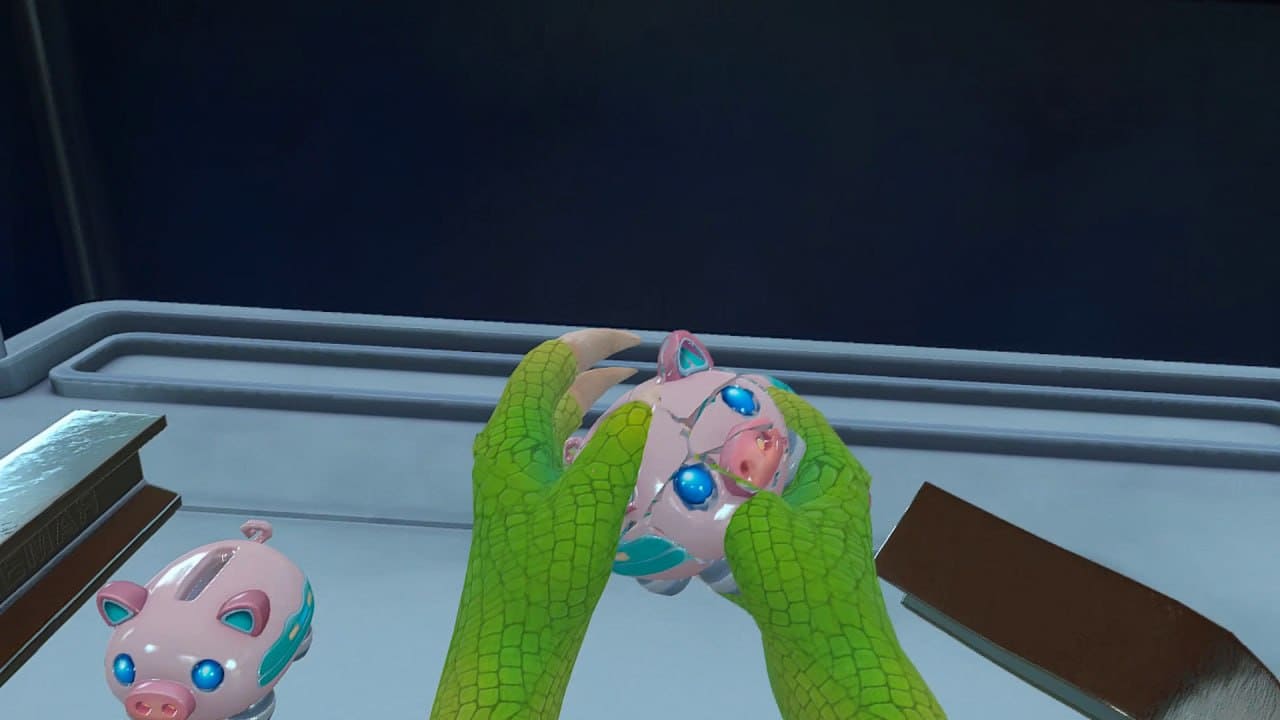
Now picture this. A child puts on a headset and still sees the classroom around them. On the desk sits a small planet. The child picks it up the way they would pick up a ball, sets it down — and it grows to true scale.
Sputnik, our virtual guide, flies alongside the child and tells them about each planet. Numbers from the textbook turn into objects a child can walk around, turn over and compare.
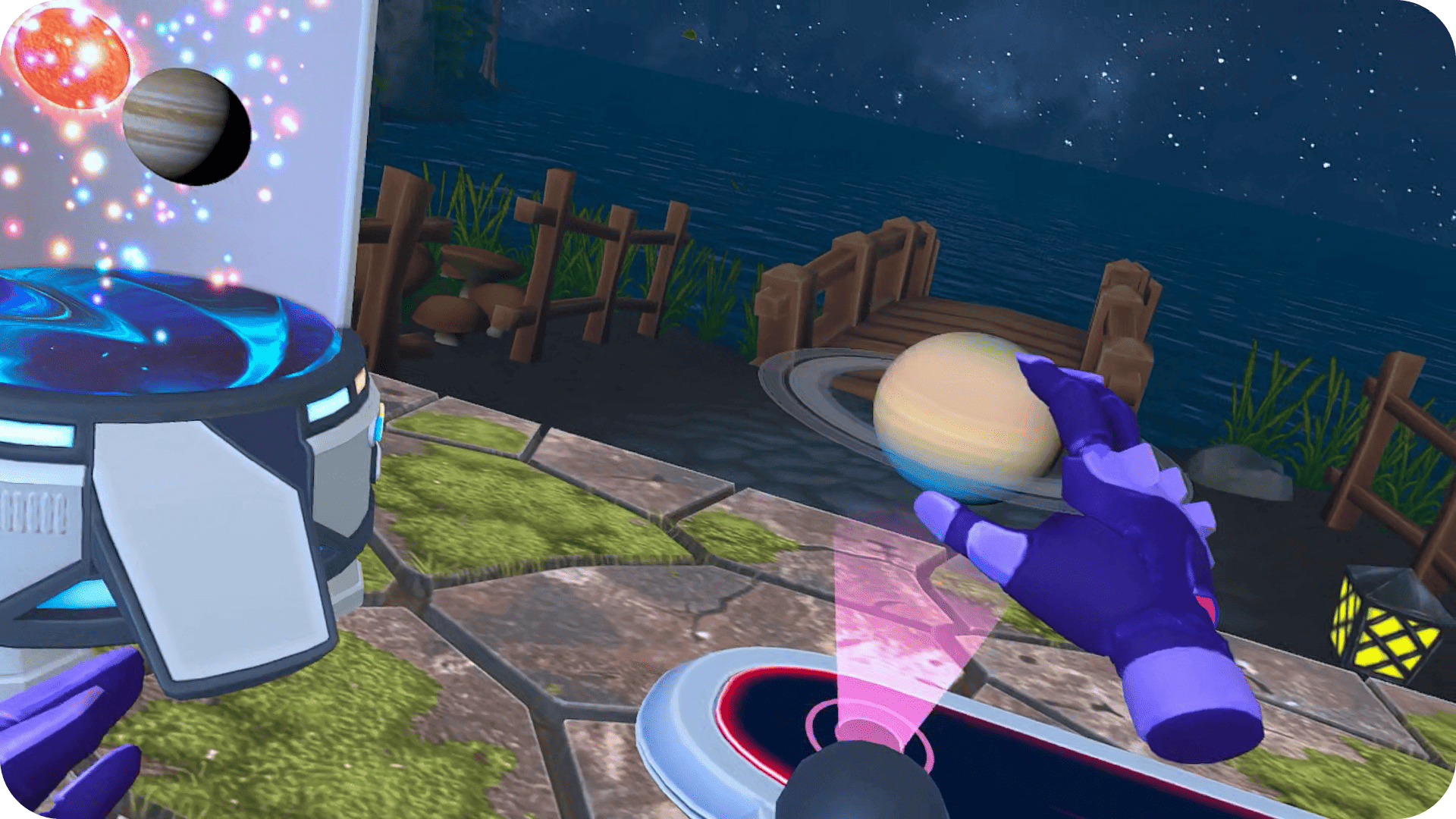
Learning the controls first
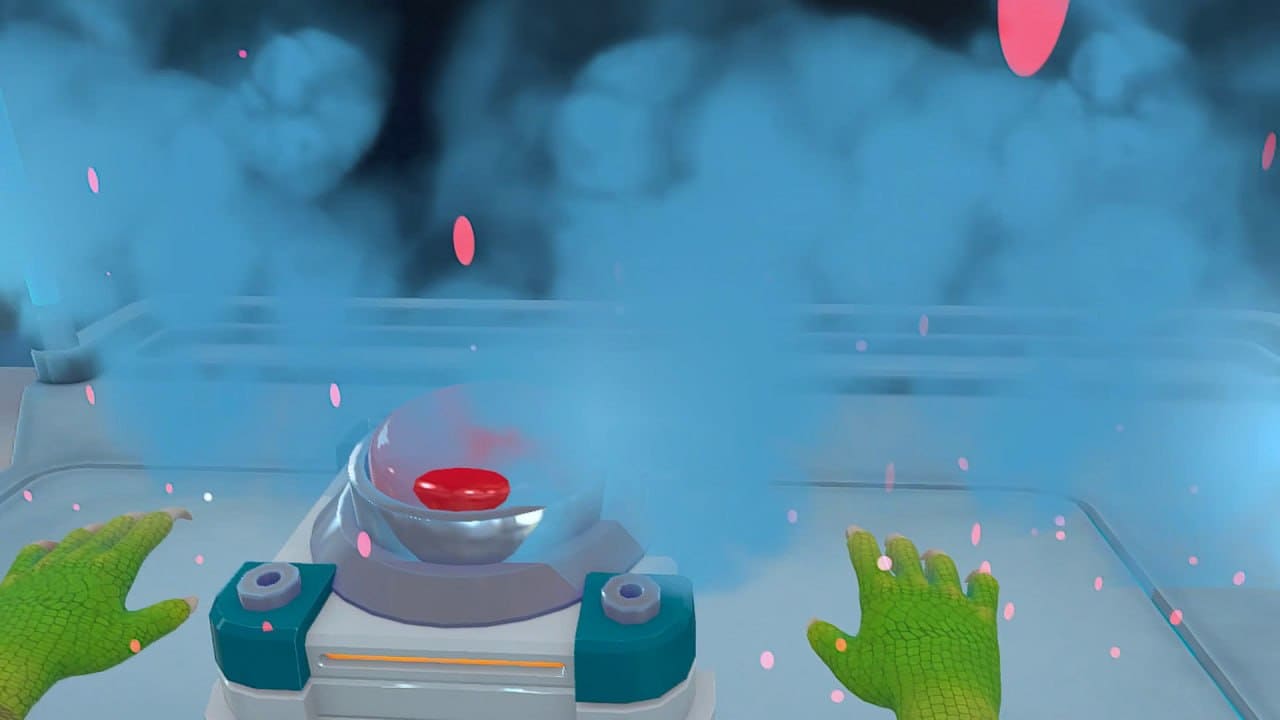
Before the lesson starts, children play a short puzzle game. It teaches them to use their hands in virtual space. After that, their attention goes to the planets, not to the interface.
What research says
A 2026 systematic review in Frontiers in Psychology looked at 44 studies. It found that extended reality "can reduce cognitive load and improve learning outcomes" in physical science topics that rely on spatial thinking (Kenneally, Bentley & Willison, 2026).
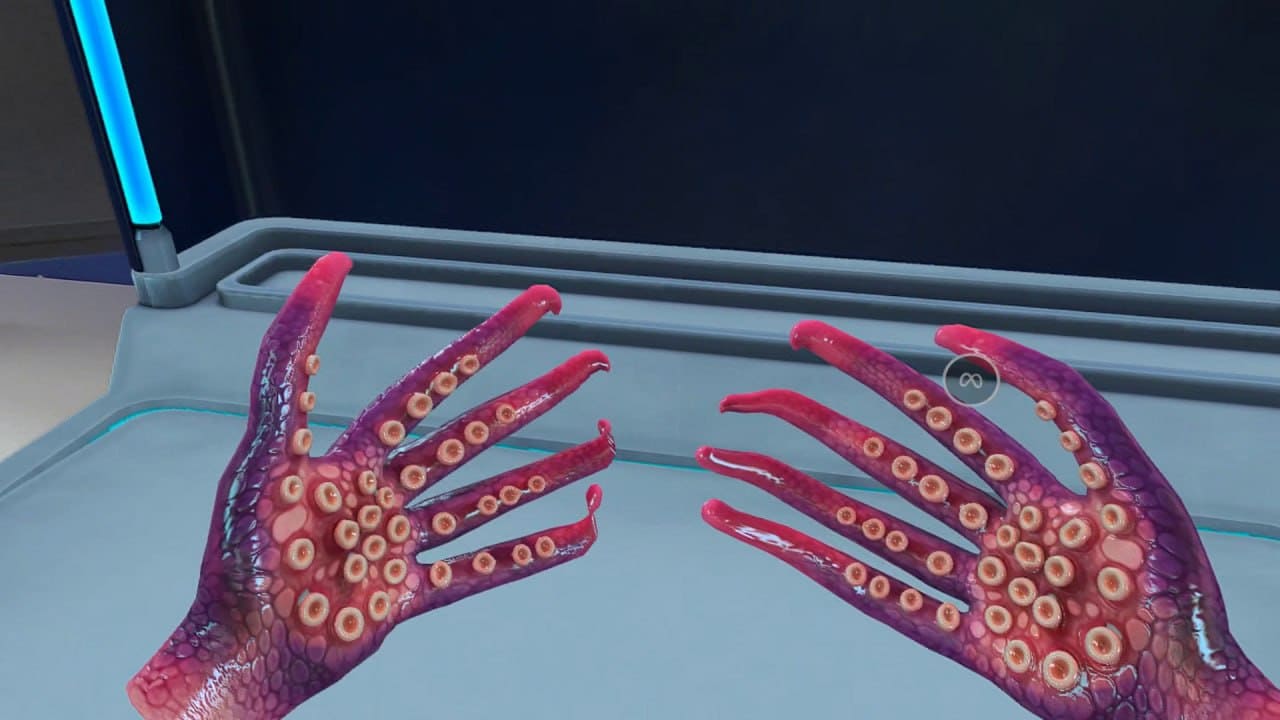
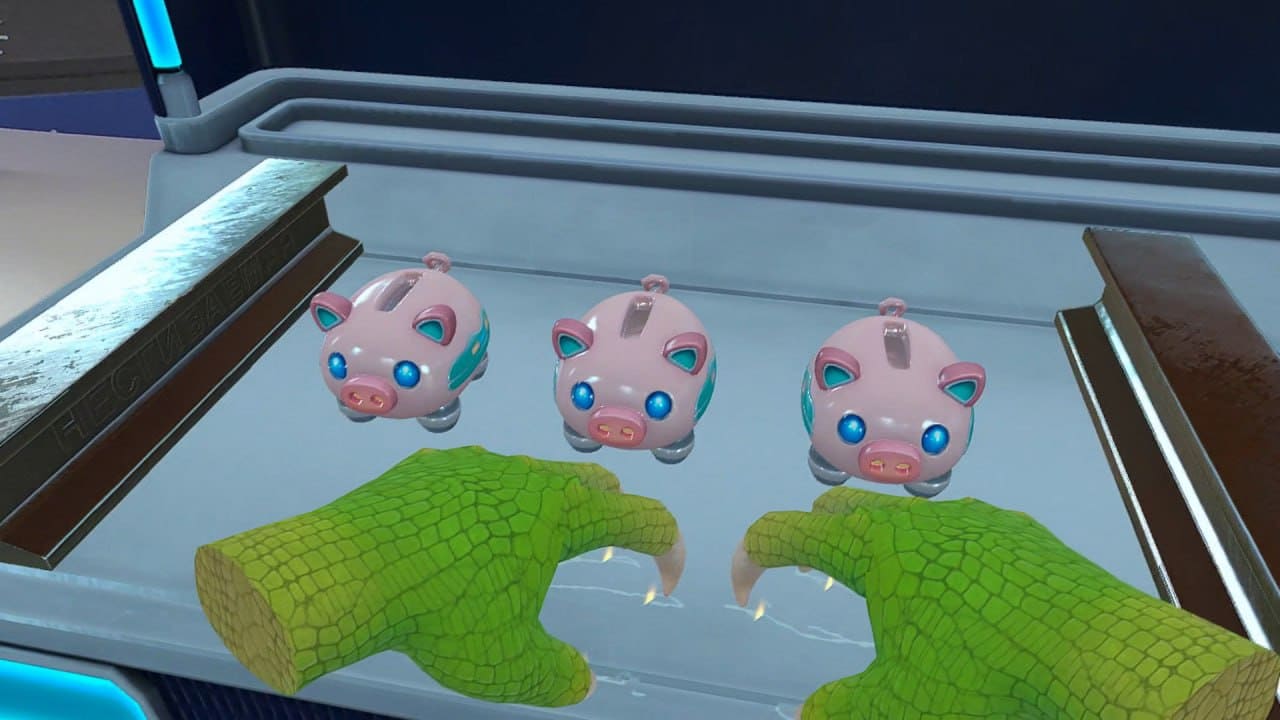
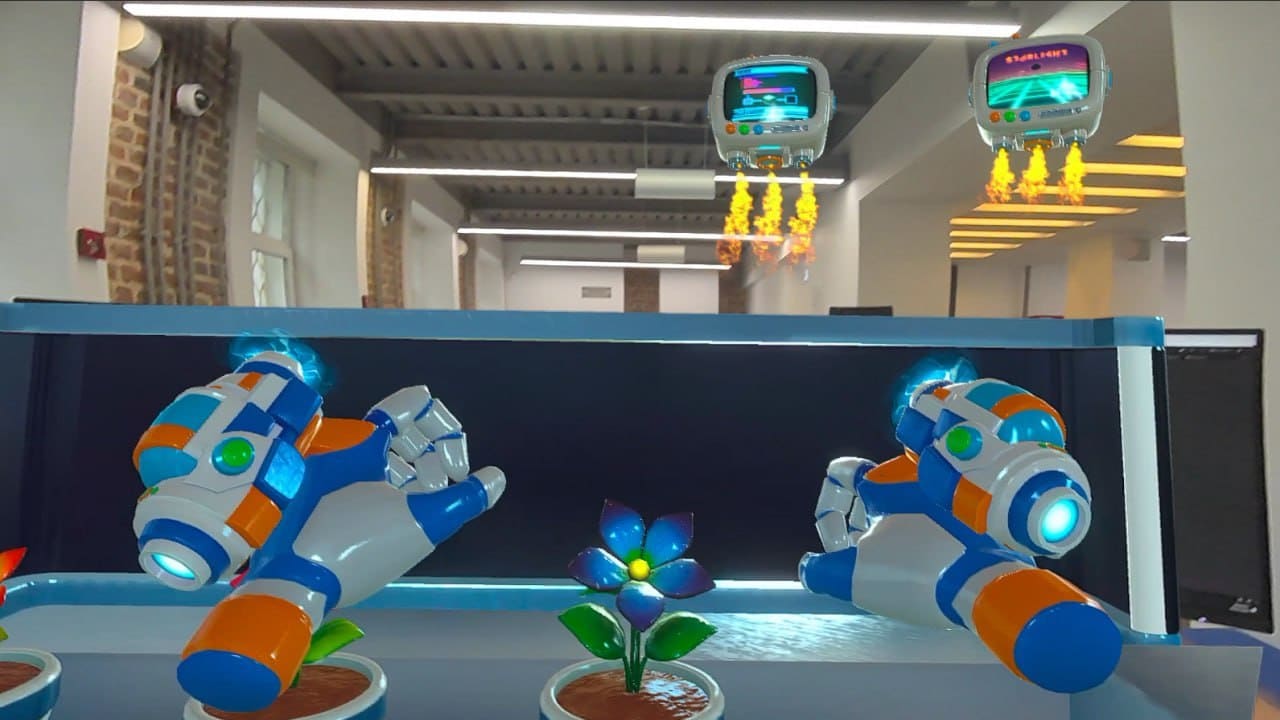
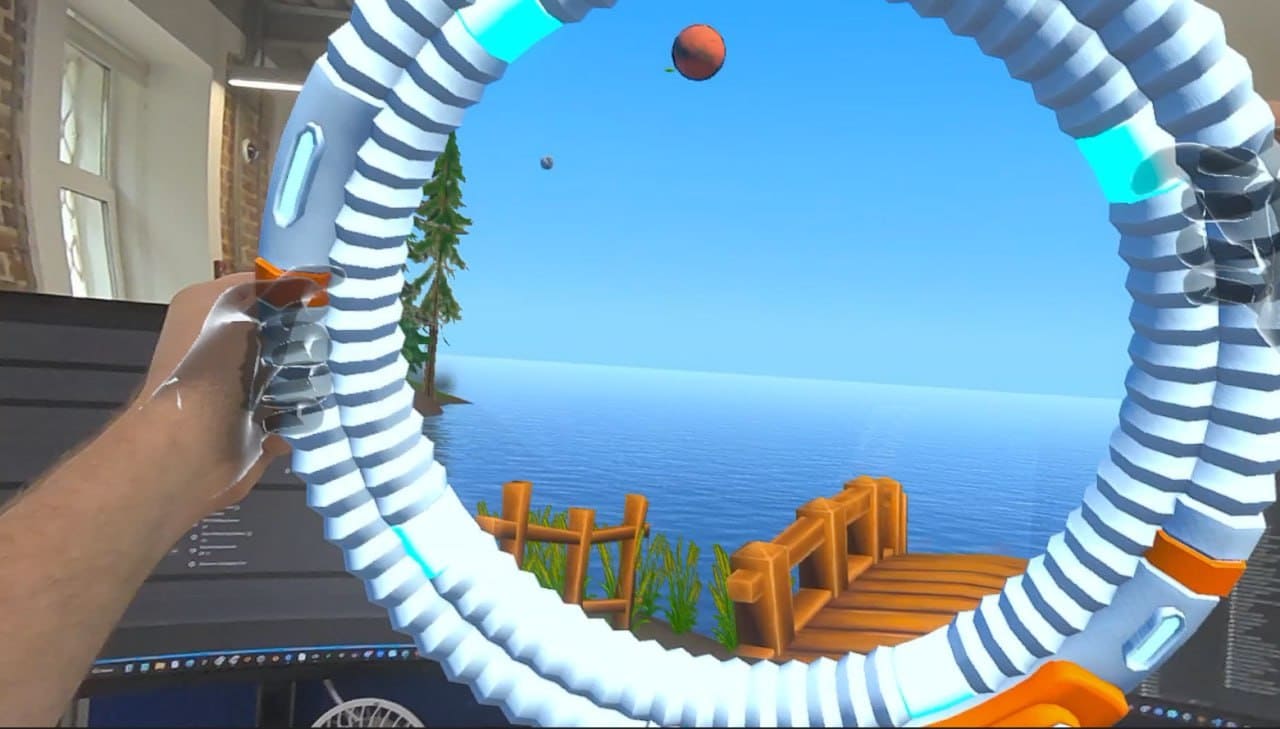
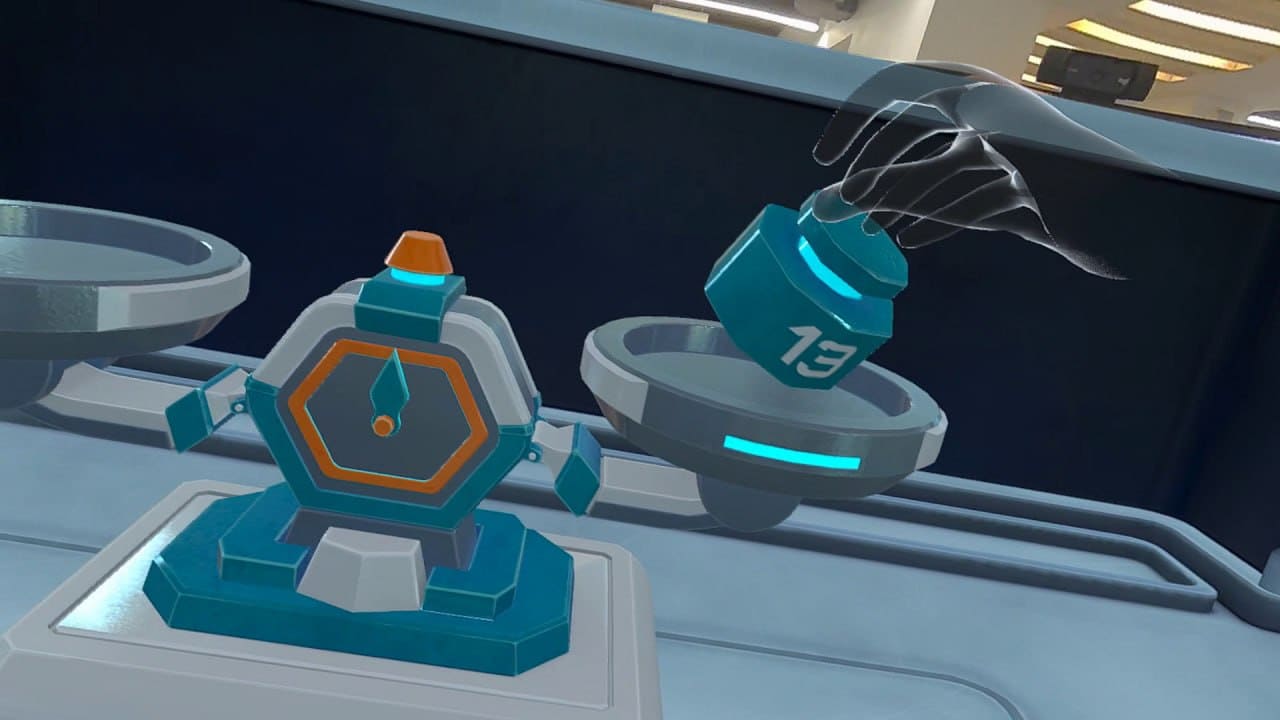
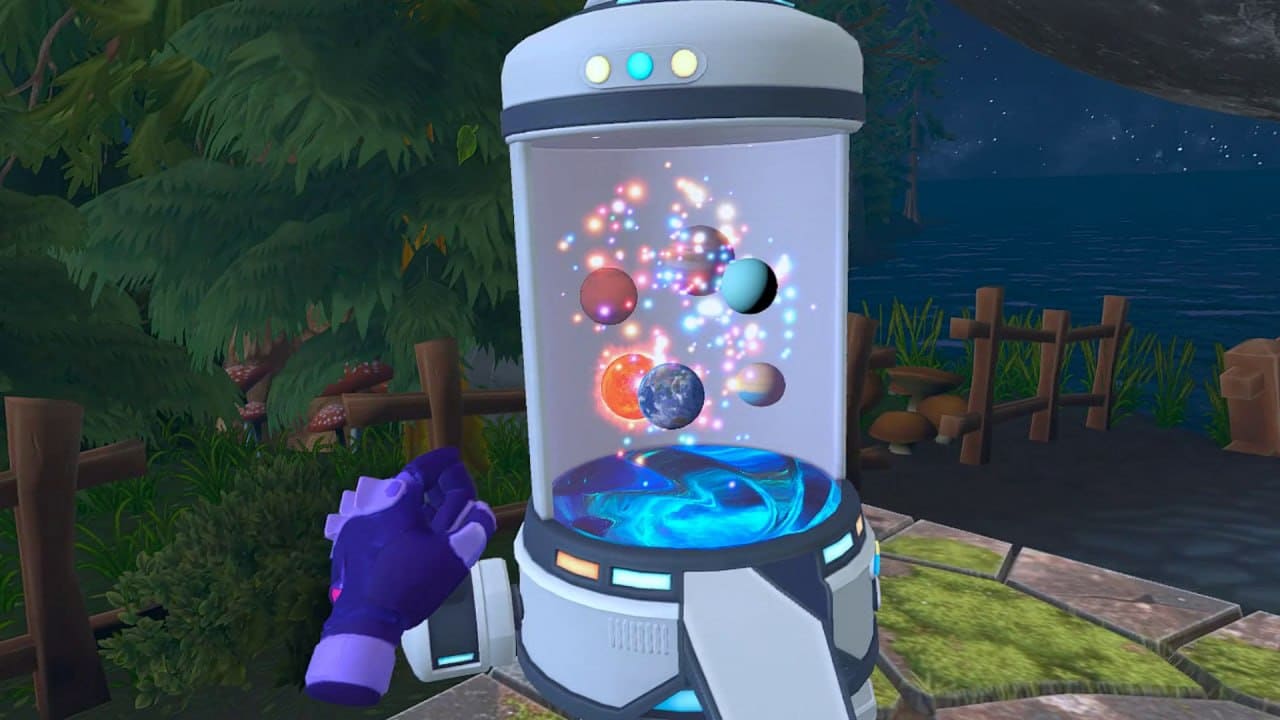
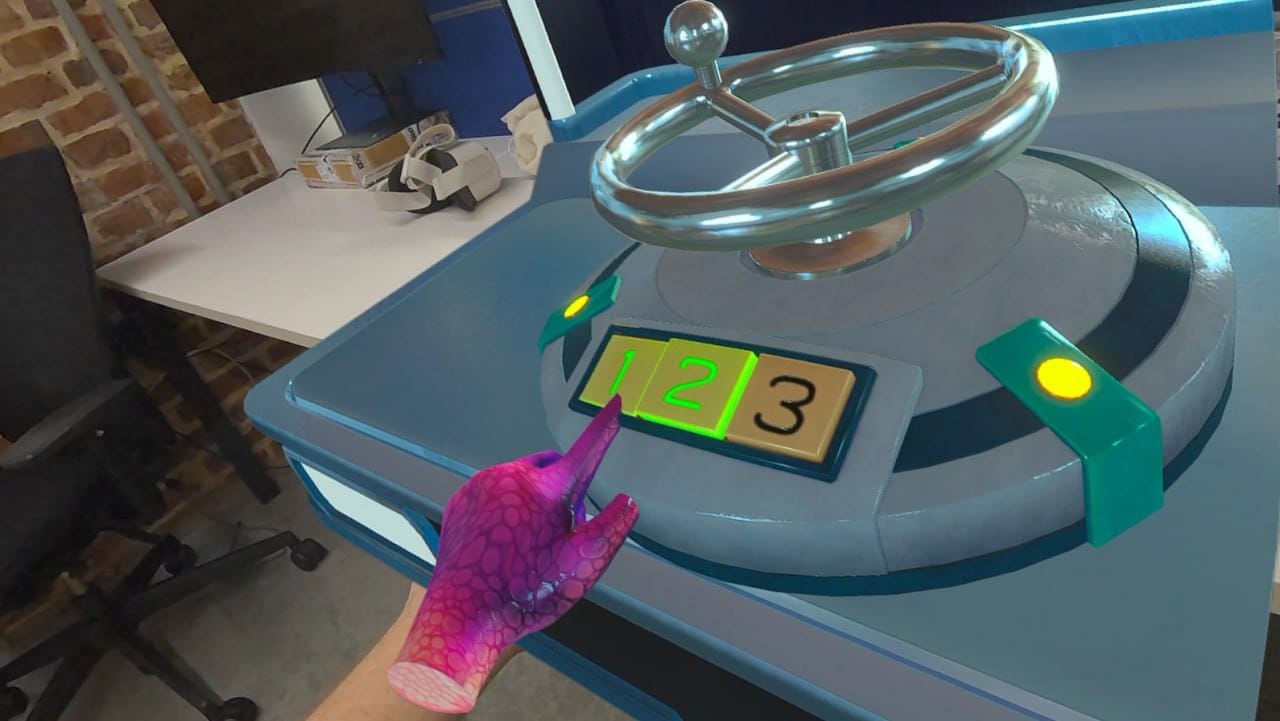

A mixed reality lesson for your school's VR lab
Children get to practice spatial thinking and see real scale for themselves — often their first real sense of how big the universe is.
Teachers get a lesson that is ready to run, so they spend less time preparing. VR gives each child a focused, distraction-free experience. MR lets the class work together while staying aware of the room. Laporatoria is a tool for the teacher, not a replacement.
Franchisees get an additional product: it helps them reach a wider audience, visit schools more often and run several programs at the same time.
See it in action
Want to try Laporatoria with your class or bring it to schools in your city?
Contact us · info@altairika.com · +1 929 563 6155 (WhatsApp)
Contact us · info@altairika.com · +1 929 563 6155 (WhatsApp)